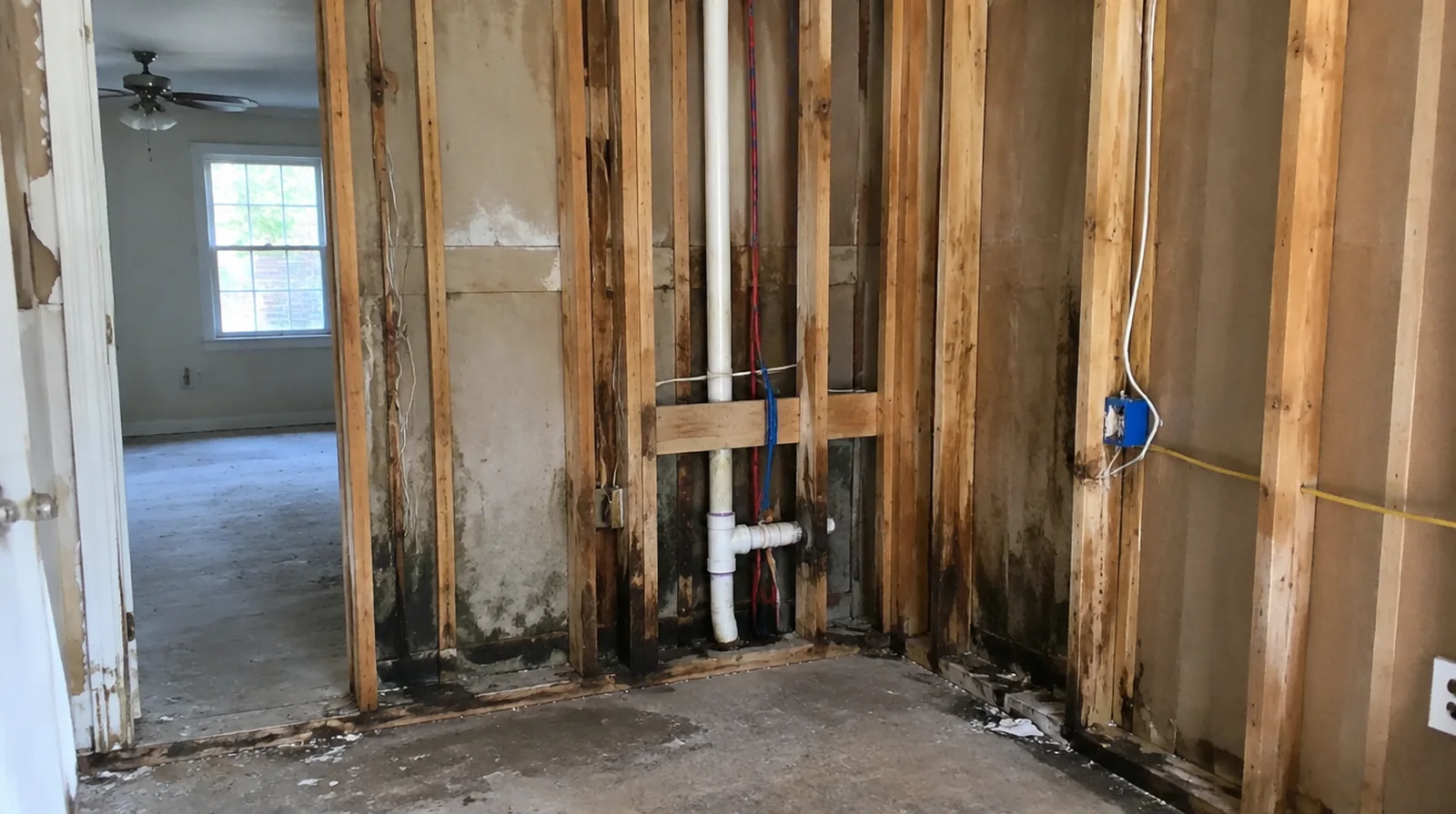
Treat remaining discoloration
Suitable primer may be needed to prevent old water marks from bleeding through the new paint. Choose that treatment only after confirming the discoloration does not signal continuing moisture. Where several contractors share the renovation, identify the inspection and handover milestones that determine when each following stage can proceed.
Finish after moisture control
Tape and drywall joint compound belong on stable dry material rather than a damp or deteriorating substrate. Allow adequate time for each coat instead of sealing moisture beneath the next stage. If the room will remain occupied, identify a practical separation between the project space and the space that still needs daily access.
Keep contamination separate
Suspected microbial contamination or exposure to flood water is outside a routine cosmetic patch assessment. Obtain suitable remediation advice about safe containment and removal before arranging ordinary drywall restoration. When the history of a repair is uncertain, note when it became visible and whether its appearance has altered across different seasons.
Verify drying readiness
A surface that feels dry can still conceal moisture in insulation or framing. Make clear which professional confirms drying readiness before the cavity is covered again. If occupancy must resume on a certain day, include the later primer and paint stages in the timetable as well as drywall installation and finishing.
Match the board assembly
Replacement board should suit the current thickness and any applicable wall or ceiling assembly requirements. Water resistant products do not remove the need to correct the conditions that caused the damage. For a repair that crosses several surfaces, measure the affected planes separately so the estimate can explain where each finishing treatment starts and stops.
Rebuild supported edges
New panel pieces need secure fastening to sound framing or appropriate backing. Stable edges reduce avoidable stress at the boundary between the retained face and the replacement. Where flooring is staying in place, agree on protective coverings and check that tools and material handling will not damage the noticeable finish.
Record the completed scope
Retain useful information about source repairs, material replacement and any drying checks performed by other trades. This record helps explain what the drywall repair covered and what maintenance remains the property owner responsibility. If occupancy must resume on a certain day, include the later primer and paint stages in the timetable as well as drywall installation and finishing.
Assess material condition
Look for changes in panel strength and face condition as well as the visible color of a mark. The noticeable mark does not always show the full extent of the affected cavity. When the wall surface has strong reflected light, look at the full plane instead of judging only the narrow strip immediately beside the patch.
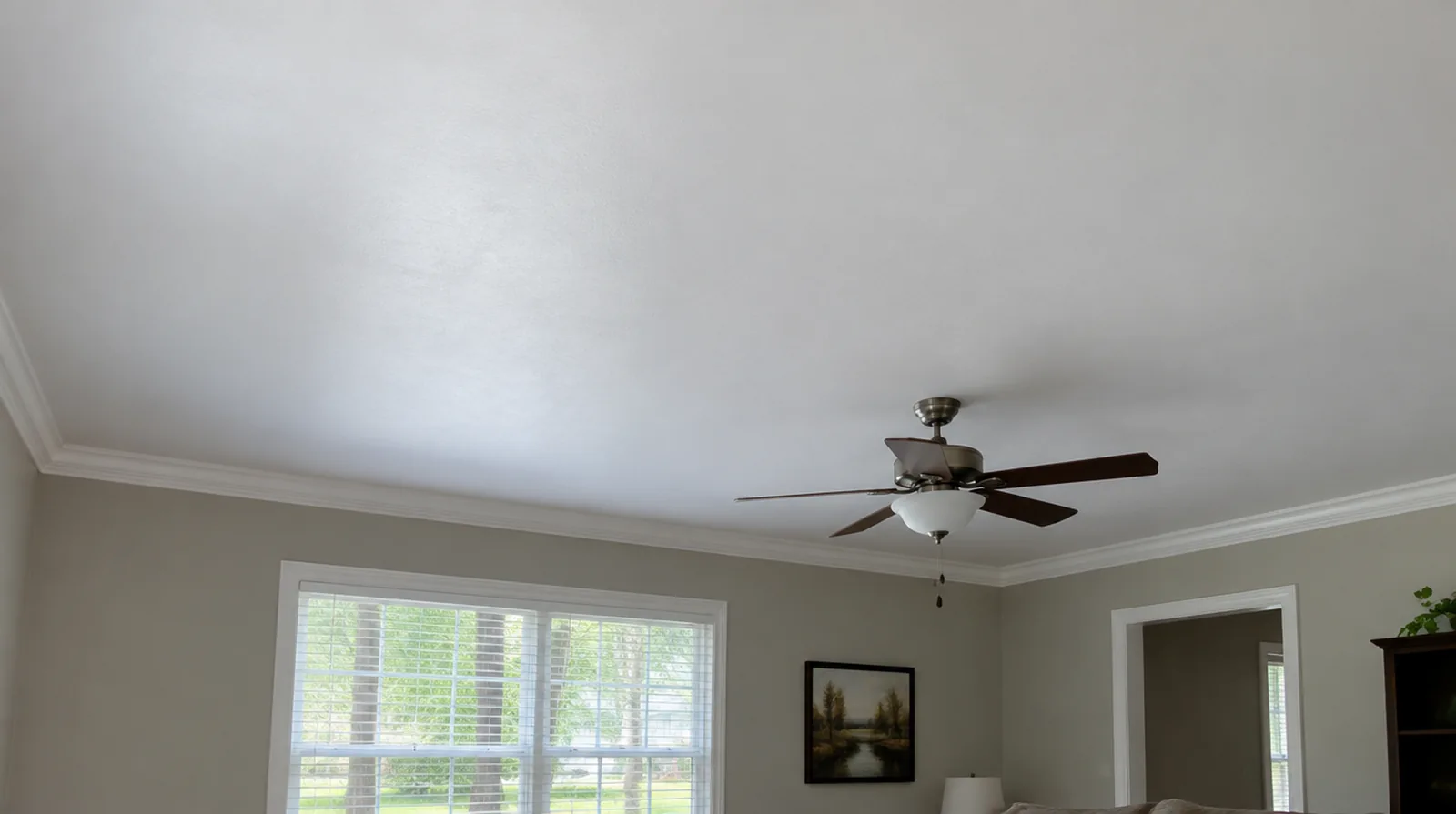
Resolve the water source
Replacement drywall should follow correction of the leak, condensation or other source that caused the damage. Surface repairs alone cannot prevent damage from returning when water is still reaching the assembly. If the ceiling or wall includes fittings, identify the person responsible for removing and reinstalling each item before the work begins.
Inspect concealed components
Insulation, electrical work and plumbing exposed during removal may require separate assessment or replacement. Resolve the condition of exposed insulation, wiring and plumbing before closing the wall. For a room that stays in use, set a workable boundary around construction while retaining the access people need for normal daily activities.
Project context in Jackson
Share any history of seasonal changes so the proposal can separate those concerns. Protection should include the path through adjacent rooms as well as the immediate floor area.
Scope questions before finishing
Where occupants have dust sensitivity concerns, agree containment and cleaning measures before settling the way the space will be staged.
For a project with several trades, agree which inspection or handover point must happen before the next person starts work.
If the coating stability is unclear, assess which layers are adequately bonded and which ought to be removed rather than simply hidden beneath new material.
If the original finish is unusual, keep a small reference sample or a close photograph to support the discussion about blending and restoration.
At the handover inspection, review the finish from ordinary room positions using the lighting conditions that were agreed for the work.
If the room will remain occupied, identify a practical separation between the project space and the space that still needs daily access.
Where a future fixture will be installed, coordinate any required backing while the cavity is accessible instead of reopening the completed wall.
Where the wall meets fixed furniture, clarify whether removal is included or whether the finish will terminate at the accessible edge.
When photographs are used for an initial discussion, include a wide room view as well as a close view so scale and surrounding finishes are understandable.
If a room has only limited ventilation, discuss how the finishing materials can dry without disrupting comfort or spreading dust elsewhere.
At an edge beside built in furniture, state whether the obstruction will be removed or whether finishing stops at the section that can be reached.
For a wall receiving a decorative covering, provide its preparation requirements early adequate for the drywall finish to support that product.
Explore the Jackson drywall overview for related options, or read the project planning information before arranging the next stage.
More planning details for Jackson
A Jackson room with visible outlines from older patches needs an assessment of more than the latest blemish. Note whether the old edges are raised, whether the paint sheen changes across them and whether the underlying material remains firm. A broad skim treatment may address surface variation, but it is not a substitute for investigating active moisture or movement.