
Confirm concealed work
Required checks on concealed services and insulation should be completed while the wall remains open. A readiness record and useful photographs can reduce avoidable demolition through the new installation. At the handover inspection, review the finish from ordinary room positions using the lighting conditions that were agreed for the work.
Fit corners and openings
Door returns and exposed corners require a straight consistent edge before the final compound coats are applied. Select the exposed edge profile for the design and the level of contact it will receive. When a paint contractor follows the drywall work, define the surface condition being handed over and decide who handles any minor final touch ups.
Measure the complete assembly
Calculate the board layout from all the surfaces and openings rather than the space floor area alone. Planning the sheet arrangement can avoid thin strips and poorly positioned joints beside openings. Where several contractors share the renovation, identify the inspection and handover milestones that determine when each following stage can proceed.
Define the finish level
Hanging board and delivering a prepared for decoration wall are different stages that should be described separately. The chosen sheen and grazing light conditions can require a higher surface standard in a prominent room. For a room that stays in use, set a workable boundary around construction while retaining the access people need for normal daily activities.
Select appropriate panels
Panel thickness and type depend on the intended wall or ceiling assembly and the conditions in the interior. Moisture resistant board is not a substitute for a required waterproofing system in a wet area. While a removed panel exposes the wall surface cavity, complete the necessary review of concealed work before replacement board closes the opening.
Inspect supporting framing
Drywall follows the framing underneath it, so bowed studs or uneven backing can show through the completed surface. Straightening or correcting support belongs in the scope before new sheets cover the wall. If the existing finish is unusual, keep a small reference sample or a close photograph to support the discussion about blending and restoration.
Plan deliveries and access
Sheet dimensions have to suit the available stairs, doors and handling space as well as the finished wall. Difficult access could change labor and waste even when the space itself is relatively small. While a removed panel exposes the wall surface cavity, complete the necessary review of concealed work before replacement board closes the opening.
Treat perimeter details
Gaps and junctions at floors, ceilings and adjacent materials need details that suit the specified assembly. Fire or acoustic requirements may alter which sealants and perimeter treatments are suitable. Where occupants have dust sensitivity concerns, agree containment and cleaning measures before settling the way the space will be staged.
Inspect before decoration
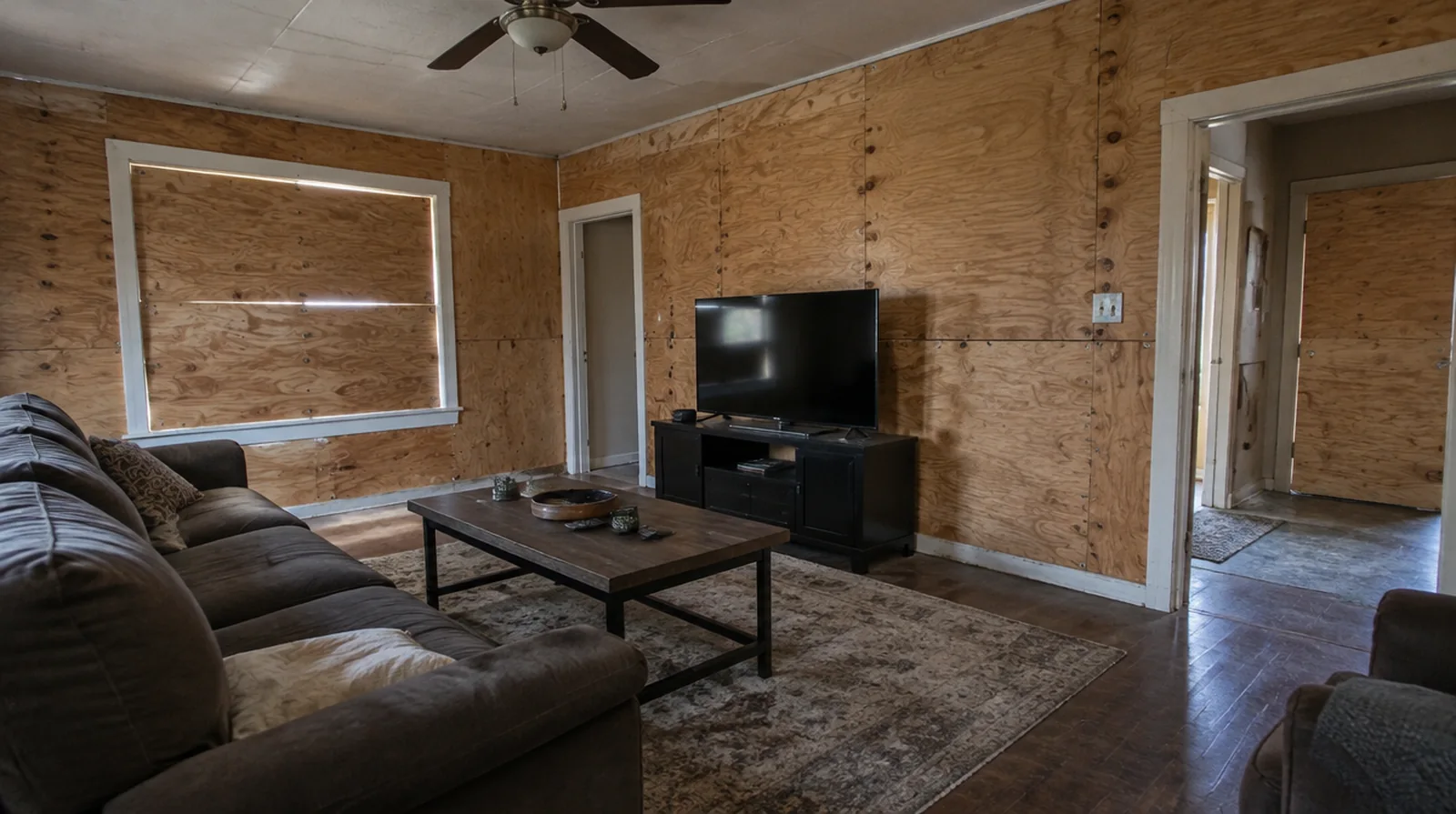
Review dry finished walls while their edges remain noticeable and before fixed furnishings obstruct access. Check the agreed lighting conditions and record any remaining preparation before painting starts. Before comparing two proposals, check that both include the same protection, finishing and cleanup boundaries instead of comparing totals alone.
Control fastening depth
Proper fastening holds the gypsum securely while leaving its face paper intact. Overdriven screws and unsupported panel edges make later finishing more challenging and may create noticeable defects. For a tightly furnished room, plan temporary storage and the minimum working clearance before material is carried into the property.
Project context in Jackson
Share any history of seasonal changes so the proposal can separate those concerns. A broad skim treatment may address surface variation, but it is not a substitute for investigating active moisture or movement.
Scope questions before finishing
If the completion date matters most, allow for intervals between coats as well as active labor instead of assuming the entire process happens continuously.
For a tightly furnished room, plan temporary storage and the minimum working clearance before material is carried into the property.
When panel replacement exposes a cavity, resolve any required inspection before that opening is closed and the finishing work begins.
Where several contractors share the renovation, identify the inspection and handover milestones that determine when each following stage can proceed.
For work spread across differing planes, record their dimensions separately and describe the boundary of the treatment on each surface.
Where a finished perimeter is prominent, decide whether trim stays in position or is removed before agreeing how the new surface meets that edge.
For walls beside bright windows, review a dry sample from an oblique angle as well as looking straight at the repaired surface.
When the wall has strong reflected light, look at the full plane rather than judging only the narrow strip immediately beside the patch.
In a room with little free floor space, identify temporary storage for belongings and establish sufficient clearance for the work before delivery.
If the interior will remain occupied, identify a workable separation between the protected room and the space that still needs daily access.
When a wall has repeated defects, keep a record of earlier repair attempts so a new assessment does not simply repeat an unsuccessful approach.
At the handover inspection, review the finish from ordinary room positions using the lighting conditions that were agreed for the work.
Explore the Jackson drywall overview for related options, or read the project planning information before arranging the next stage.
More planning details for Jackson
A Jackson room with visible outlines from older patches needs an assessment of more than the latest blemish. Note whether the old edges are raised, whether the paint sheen changes across them and whether the underlying material remains firm. In humid weather, allow the room to reach suitable working conditions before setting a tight finishing deadline.